Elder care frequently involves a combination of mobility products, hygiene supplies, patient-care accessories, monitoring equipment, and other healthcare essentials. Because these requirements can change with mobility, recovery, daily routines, and medical guidance, choosing an Elder Care Products Supplier should begin with a clear understanding of the user's actual needs.
Families, nursing homes, assisted-care facilities, and home healthcare providers in Bangalore and across Karnataka may need several product categories from the same healthcare supply source. A structured checklist can make purchasing more practical.
Identify the Immediate Care Requirement
Start by separating essential needs from optional convenience products.
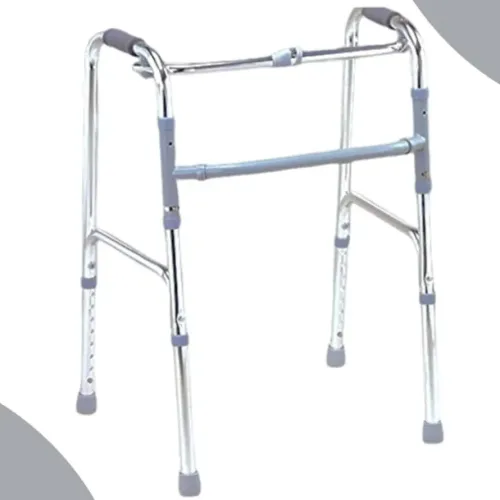
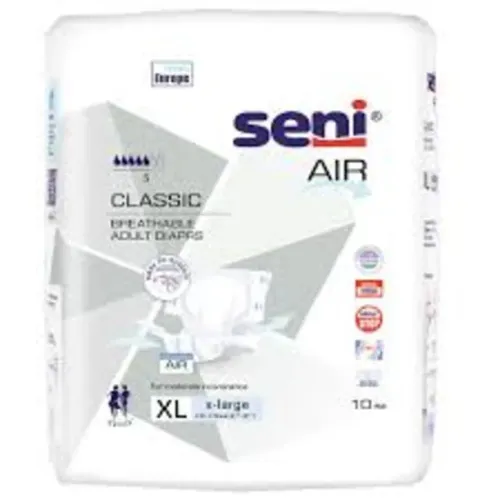
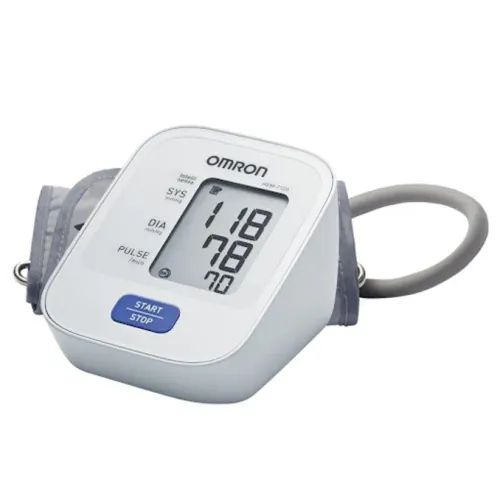
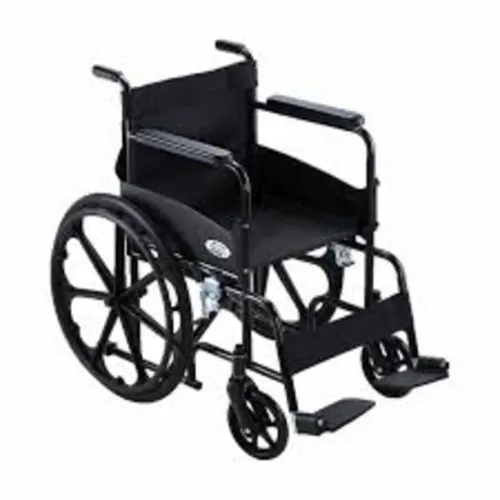
A person with reduced mobility may need a wheelchair or other mobility support. Someone requiring regular monitoring may need suitable healthcare devices. Incontinence care may involve adult diapers and related hygiene products.
The correct equipment should reflect the individual's healthcare recommendations and physical requirements rather than assumptions based only on age.
Check Ease of Use
A product may have many features yet still be impractical for everyday use.
Ask:
- Can the user operate it comfortably?
- Can the caregiver handle it safely?
- Is it easy to clean?
- Is storage convenient?
- Are instructions understandable?
- Are replacement consumables available?
- Does the product fit the home environment?
These questions are particularly important for products that will be used several times each day.
Consider the Home Environment
Bangalore homes range from compact apartments to larger independent houses. Mobility equipment that works well in a spacious hospital corridor may be less convenient in a home with narrow doorways or limited storage.
Before buying larger equipment, measure relevant spaces including door widths, bedside clearance, bathroom access, and storage areas.
If equipment needs to travel frequently in a car, folded dimensions and weight should also be considered.
Ask About Ongoing Consumables
Some elder-care equipment creates repeat purchasing requirements.
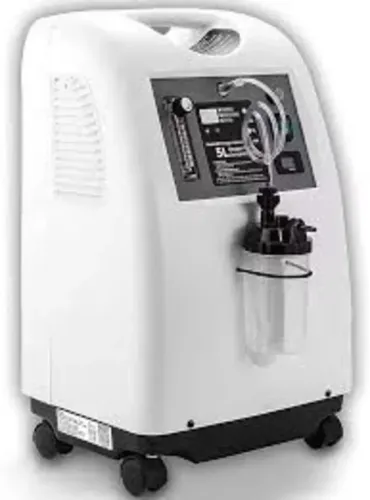
For example, monitoring equipment may require compatible accessories, while respiratory devices can require masks, filters, and tubing depending on the model. Hygiene and incontinence products need regular replenishment.
A provider should be assessed not only on the initial equipment but also on access to the products required to continue using it appropriately.
Rajendra Surgicals supplies medical equipment, healthcare consumables, mobility products, and patient-care supplies for customers in Bengaluru. Families and institutions can provide specific requirements when enquiring so that relevant product categories can be identified.
For Institutions, Standardisation Can Help
Nursing homes and elder-care facilities often manage supplies for multiple residents.
Standardising frequently used products where clinically appropriate can simplify:
- Staff familiarisation
- Stock counting
- Reordering
- Storage
- Accessory management
- Monthly consumption analysis
However, standardisation should not override individual care needs. Some residents will require different sizes, equipment configurations, or specialised products.
Look for Readiness Indicators
A suitable Elder Care Products Supplier should be able to discuss product specifications clearly rather than treating every requirement as interchangeable.
Useful readiness indicators include access to multiple patient-care categories, clear product information, compatible consumables, practical ordering processes, and the ability to support recurring requirements.
For families, the goal is to make day-to-day care manageable. For institutions, the goal also includes inventory consistency and procurement efficiency.
Elder-care purchasing becomes more effective when products are chosen around real routines rather than generic product lists. By considering user ability, caregiver requirements, home layout, consumable needs, and repeat availability, buyers across Bangalore and Karnataka can create a more practical care setup suited to everyday use.
Keywords