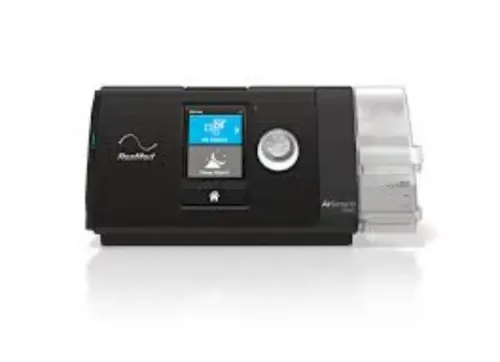


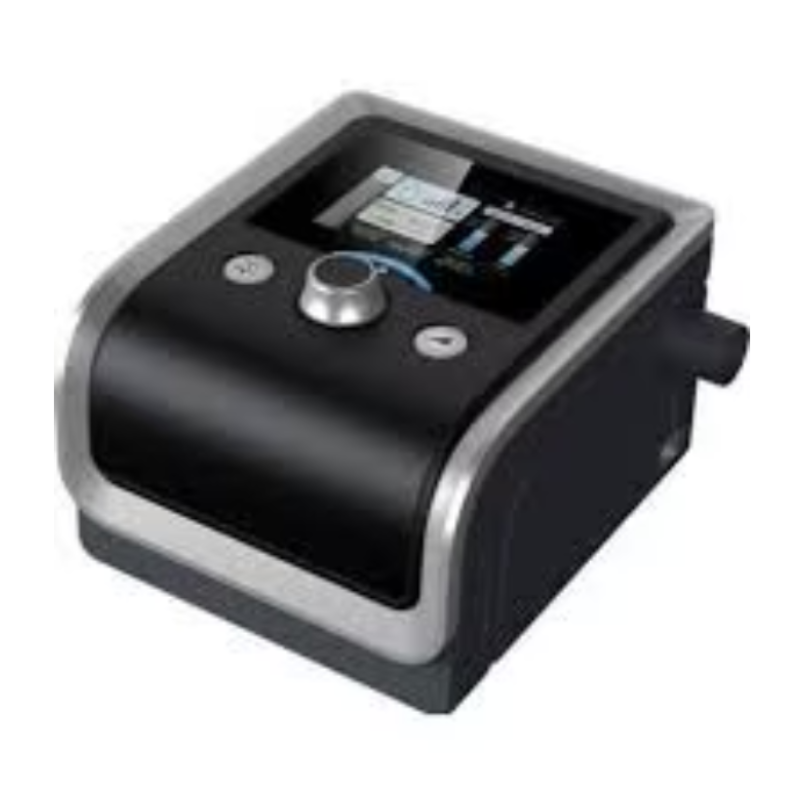
Bilevel positive airway pressure equipment is used in specific respiratory care situations based on clinical assessment and prescription. Unlike a purchase driven by general consumer preferences, choosing this type of respiratory equipment requires close attention to technical specifications, compatible accessories, prescribed settings, and intended use. This makes selecting a dependable BIPAP Machine Supplier particularly important for hospitals, respiratory care providers, clinics, and home-care requirements.
Healthcare buyers in Bangalore and across Karnataka often encounter several machines with different modes and features. Understanding what matters before procurement can prevent a facility from selecting equipment that does not adequately match its operational requirements.
Begin With the Intended Clinical Requirement
A BiPAP machine provides two levels of positive airway pressure during different phases of breathing. The prescribed pressure and mode requirements are determined according to the patient's clinical needs.
Before discussing products with a supplier, buyers should therefore have clear information about the required device category and specifications.
For institutional procurement, the questions may extend further. Hospitals may need to consider frequency of use, portability, staff familiarity, cleaning procedures, accessory availability, and compatibility with existing workflows.
Evaluate the Machine Beyond the Feature List
A longer feature list does not automatically make one device more suitable than another. Buyers should focus on relevant specifications.
Important factors may include:
- Available operating modes
- Pressure capabilities
- Display and control interface
- Alarm functions where applicable
- Data capabilities
- Humidification compatibility
- Portability
- Power requirements
- Mask compatibility
- Availability of replacement filters and tubing
The exact importance of each feature depends on the intended application.
Check the Availability of Consumables
Respiratory equipment relies on accessories that may require regular replacement. A hospital may purchase an appropriate machine only to discover later that compatible masks, filters, tubing, or other components are difficult to source.
Before procurement, ask the supplier for a clear list of compatible consumables and their expected availability.
For healthcare organisations operating in Bengaluru, local access to frequently required accessories can simplify inventory planning and reduce dependence on last-minute sourcing.
Review Product Documentation
Medical equipment should come with appropriate product information and manufacturer documentation. Buyers should understand operating requirements, maintenance recommendations, warranty terms, and any instructions related to cleaning and storage.
Institutional buyers may also have their own procurement documentation requirements. These should be communicated before finalising the purchase.
Consider Support After Procurement
The supplier relationship does not necessarily end when the machine is delivered. Healthcare teams may later require compatible accessories, replacement consumables, product-related information, or clarification regarding available models.
Rajendra Surgicals supplies surgical products and healthcare equipment for hospitals, medical professionals, clinics, nursing homes, and other healthcare requirements in Bangalore. Buyers considering BiPAP equipment can share their required specifications to identify suitable available products.
Avoid Choosing Solely on Price
Price naturally matters in medical procurement, particularly when facilities are managing budgets across multiple equipment categories. However, comparing only the initial machine price can overlook longer-term considerations.
Evaluate:
- Equipment suitability
- Consumable availability
- Warranty terms
- Expected accessory requirements
- Maintenance needs
- Product documentation
- Supplier accessibility
A lower initial price may provide limited value if essential compatible supplies are difficult to obtain later.
Selecting a BIPAP Machine Supplier should ultimately be treated as a complete equipment-sourcing decision rather than a simple product purchase. Hospitals, clinics, respiratory care providers, and home-care buyers across Bangalore and Karnataka can make better procurement decisions by considering clinical requirements, technical compatibility, consumables, documentation, and ongoing equipment needs together.