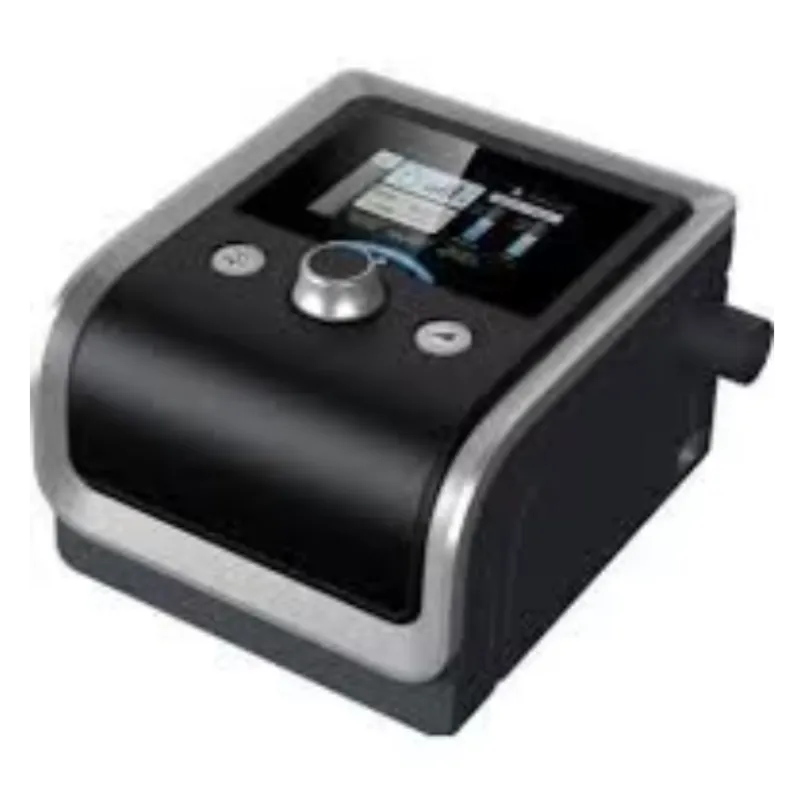
Breathing support has advanced significantly over the past decade, allowing many patients to receive effective respiratory assistance without invasive procedures. One such innovation is the BIPAP Machine, which helps individuals experiencing difficulty maintaining adequate airflow during breathing.
Healthcare facilities and home care providers across Bengaluru are increasingly incorporating non-invasive respiratory support to improve patient comfort while assisting various medical conditions.
What Is a BIPAP Machine
A BIPAP Machine, short for Bilevel Positive Airway Pressure, delivers two different air pressure levels.
These include:
- Higher pressure during inhalation
- Lower pressure during exhalation
This variation allows patients to breathe with less effort while maintaining adequate oxygen exchange.
Unlike continuous pressure systems, the changing pressure often feels more natural for patients requiring respiratory assistance.
Conditions Where BIPAP May Be Recommended
Healthcare professionals may prescribe BIPAP therapy for individuals experiencing:
- Chronic obstructive pulmonary disease (COPD)
- Certain neuromuscular disorders
- Obesity hypoventilation syndrome
- Respiratory muscle weakness
- Some cases of sleep-related breathing disorders
- Temporary respiratory distress following illness
The suitability of therapy depends on clinical evaluation rather than symptoms alone.
Benefits of Bilevel Air Pressure
Several advantages make this therapy valuable for selected patients.
Easier Exhalation
Lower pressure during breathing out often improves comfort compared to systems delivering constant pressure.
Improved Breathing Support
The higher inspiratory pressure assists patients who struggle to inhale deeply.
Reduced Work of Breathing
The machine decreases respiratory muscle effort, especially in individuals with chronic lung conditions.
Better Sleep Quality
When prescribed appropriately, uninterrupted breathing support may contribute to more restful sleep.
Key Components of the Equipment
A typical BIPAP setup includes:
- Main device
- Air tubing
- Face mask
- Humidifier (optional)
- Filters
- Power supply
Regular inspection of these components helps maintain consistent performance.
Importance of Proper Mask Fit
Even the most advanced equipment cannot perform effectively if the mask does not fit correctly.
An appropriate mask should:
- Create a secure seal
- Feel comfortable during extended use
- Avoid excessive pressure on facial skin
- Minimize air leakage
Healthcare providers generally assist patients in selecting suitable mask styles.
Cleaning and Maintenance
Routine maintenance supports hygiene and equipment longevity.
Recommended practices include:
- Wash the mask regularly.
- Replace filters according to manufacturer recommendations.
- Clean humidifier chambers thoroughly.
- Inspect tubing for wear.
- Store the machine in a dry, dust-free location.
Following maintenance schedules also supports consistent airflow delivery.
Why Professional Guidance Matters
Pressure settings should always be determined by qualified healthcare professionals after evaluating respiratory requirements. Self-adjusting machine settings without medical advice may reduce therapy effectiveness.
Patients beginning home respiratory care often benefit from understanding equipment operation, cleaning, and troubleshooting before daily use.
Rajendra Surgicals assists hospitals, respiratory care providers, and families by offering medical equipment solutions while helping customers understand available options suitable for different respiratory support needs throughout Karnataka.
Keywords