Home healthcare has evolved significantly over the past decade. Advances in medical technology, changing patient preferences, and improved healthcare accessibility have enabled more individuals to receive quality care in the comfort of their homes. Today, modern medical equipment is helping families manage recovery, chronic conditions, and elderly care with greater confidence and convenience.
As demand for home healthcare continues to grow across Bengaluru and Karnataka, understanding emerging equipment trends can help families, healthcare providers, and caregivers make informed decisions for long-term patient care.
Smart Monitoring Devices
Digital health monitoring has become increasingly accessible.
Many households now use devices such as:
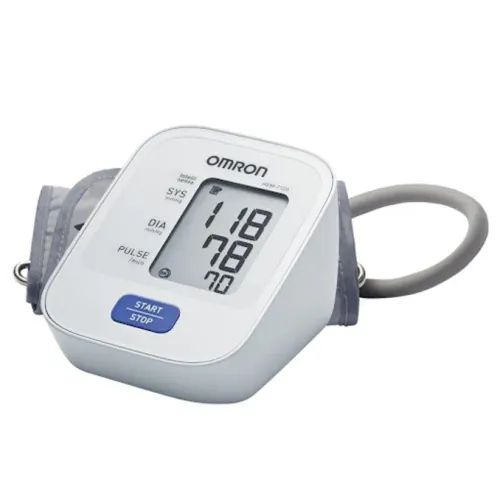
- Digital blood pressure monitors
- Pulse oximeters
- Blood glucose monitors
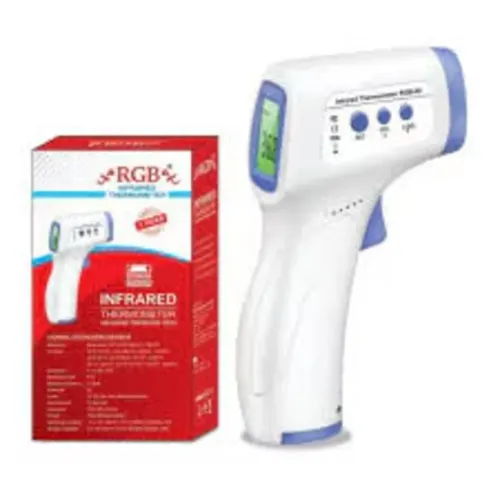
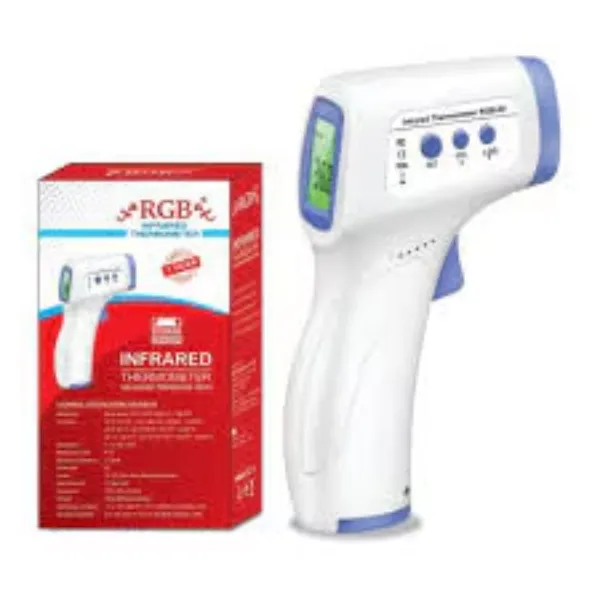
- Digital thermometers
These products allow patients to monitor important health indicators between doctor visits and share readings with healthcare professionals when required.
Lightweight Mobility Equipment
Manufacturers are developing mobility products that are easier to transport and store without compromising durability.
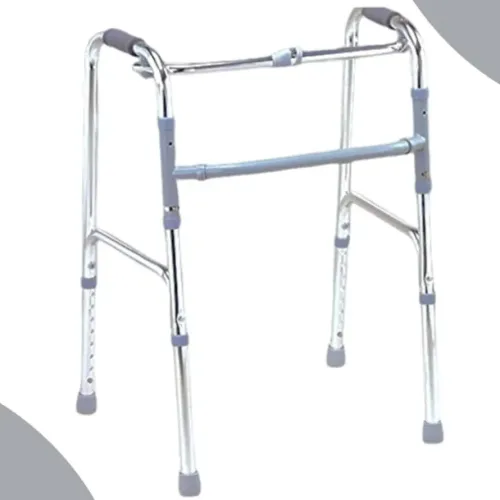
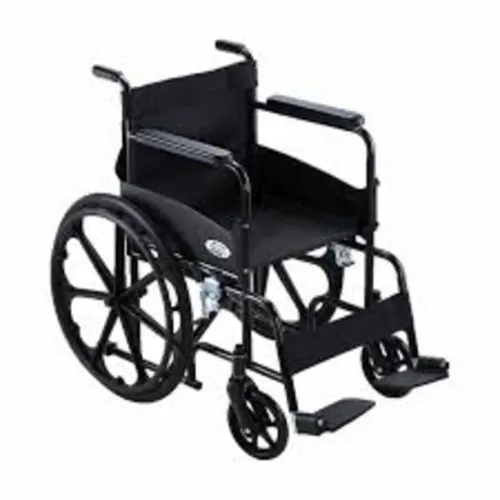
Modern wheelchairs, walkers, and rollators often feature:
- Lightweight aluminium frames
- Foldable designs
- Adjustable components
- Improved ergonomic support
These improvements make daily use more convenient for both patients and caregivers.
Enhanced Patient Comfort
Today's medical equipment places greater emphasis on comfort alongside functionality.
Examples include:
- Pressure-relief mattresses
- Ergonomic commode chairs
- Adjustable hospital beds
- Cushioned wheelchairs
These products help improve long-term patient wellbeing, particularly during extended recovery periods.
Better Infection Control
Home healthcare equipment is increasingly designed using materials that simplify cleaning and maintenance.
Smooth surfaces, removable components, and moisture-resistant materials help caregivers maintain better hygiene while reducing infection risks.
This is especially important when caring for elderly individuals or patients with weakened immune systems.
Rehabilitation at Home
More rehabilitation programmes now include home-based exercise equipment.
Patients recovering from orthopedic surgery, neurological conditions, or sports injuries frequently use:
- Resistance bands
- Hand exercisers
- Balance trainers
- Walking aids
These products support prescribed rehabilitation exercises between physiotherapy sessions.
Improved Bathroom Safety Solutions
Preventing falls remains a major priority in home healthcare.
Modern safety products include:
- Adjustable shower chairs
- Raised toilet seats
- Grab rails
- Anti-slip flooring accessories
- Wheeled commode chairs
These solutions help patients perform daily activities with greater confidence.
Portable Medical Equipment
Portability has become an important consideration for families providing home care.
Compact medical equipment is easier to transport during hospital visits or when relocating patients temporarily.
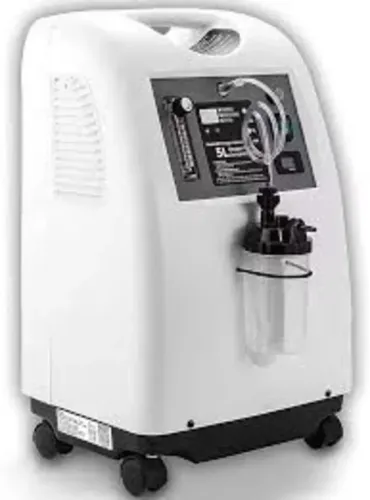
Examples include foldable wheelchairs, portable oxygen concentrators, lightweight walkers, and collapsible patient-care furniture.
Focus on Caregiver Convenience
Manufacturers are increasingly designing products that simplify caregiving tasks.
Features such as adjustable heights, lockable wheels, ergonomic handles, and quick-fold mechanisms reduce physical effort while improving patient safety.
This benefits both professional caregivers and family members assisting loved ones at home.
Sustainable Product Design
Healthcare providers are also paying greater attention to durability and long-term product performance.
Reusable patient-care equipment, robust construction, and replaceable components contribute to extended product life while reducing unnecessary waste.
Choosing reliable products often proves more cost-effective over time.
Selecting Equipment for Future Needs
Rather than focusing only on immediate requirements, families should consider how patient needs may change during recovery or long-term care.
Questions worth considering include:
- Will mobility improve?
- Will additional support become necessary?
- Is the equipment easy to maintain?
- Can caregivers operate it comfortably?
- Does it fit within the available home space?
Planning ahead often helps avoid repeated equipment purchases.
Healthcare providers, nursing homes, physiotherapy centres, and families across Bengaluru frequently work with experienced suppliers when sourcing dependable patient-care equipment. Rajendra Surgicals provides a broad range of surgical products, mobility aids, rehabilitation equipment, and home healthcare solutions that align with evolving healthcare requirements.
Medical equipment continues to transform home healthcare by making treatment, rehabilitation, and daily caregiving safer and more practical. As technology and product design continue to advance, patients can increasingly recover and manage health conditions in familiar surroundings while maintaining greater independence and quality of life.
Keywords