Recovering from surgery does not end when a patient is discharged from the hospital. In many cases, the recovery period continues at home for several weeks or even months, depending on the type of procedure and the individual's overall health. Having the right medical equipment at home can make this transition smoother, improve comfort, reduce the risk of complications, and help patients regain independence safely.
As hospitals across Bengaluru and Karnataka increasingly encourage home-based recovery whenever appropriate, families are becoming more aware of the importance of planning their home care environment before the patient returns.
The equipment required varies according to the type of surgery, mobility level, and medical advice. However, certain products are commonly recommended for a wide range of post-operative situations.
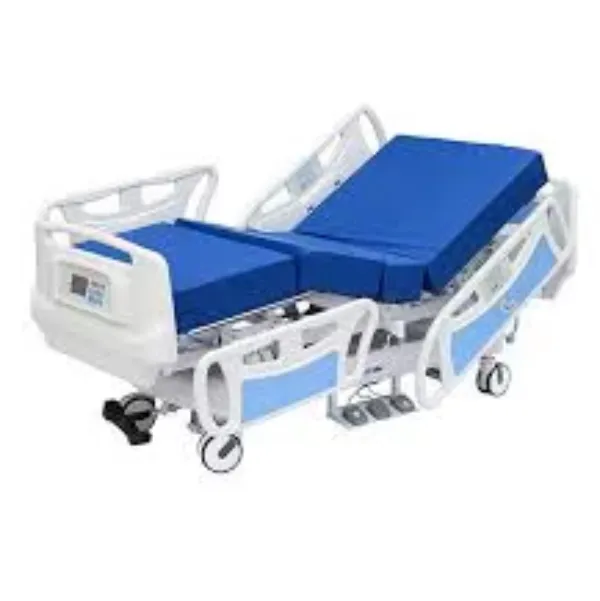
Hospital Bed or Adjustable Bed
Patients recovering from major surgeries often spend extended periods resting. An adjustable hospital bed allows caregivers to change the patient's position more easily while improving comfort during sleeping, eating, or reading.
Elevating the upper body or legs can also help reduce swelling and improve circulation in some recovery plans, depending on medical recommendations.
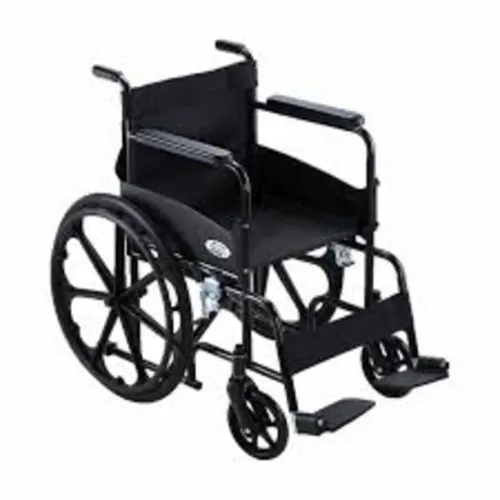
Wheelchairs for Limited Mobility
Patients recovering from orthopedic surgery, spinal procedures, or prolonged hospitalisation may temporarily require a wheelchair. Choosing a model with comfortable seating, reliable brakes, and foldable construction makes transportation easier for both patients and caregivers.
Wheelchairs are particularly useful during follow-up hospital visits when walking long distances may not be advisable.
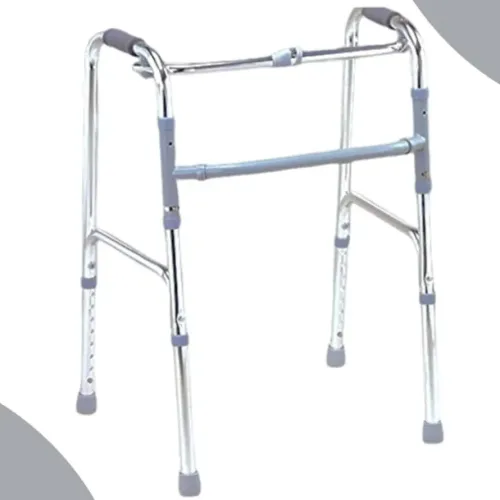
Walkers and Walking Aids
As recovery progresses, gradual movement becomes an important part of rehabilitation. Walkers provide additional stability while reducing the risk of falls.
Depending on the patient's condition, healthcare professionals may recommend:
- Standard walkers
- Two-wheel walkers
- Rollators
- Walking sticks
Using the appropriate mobility aid helps patients rebuild confidence while following prescribed rehabilitation exercises.
Commode Chairs
For individuals who have difficulty reaching the bathroom independently, bedside commode chairs provide a safer alternative. They reduce unnecessary movement during the early stages of recovery and make nighttime toileting more manageable.
This equipment is especially beneficial after joint replacement surgery, abdominal procedures, or surgeries that temporarily restrict movement.
Anti-Decubitus Air Mattresses
Patients who remain in bed for long periods may be at increased risk of developing pressure injuries. Air mattresses designed for pressure redistribution help improve comfort and support skin health when combined with regular repositioning.
These products are commonly used during prolonged home recovery under medical supervision.
Monitoring Equipment
Basic health monitoring devices allow families to observe recovery between scheduled medical appointments.
Useful equipment may include:
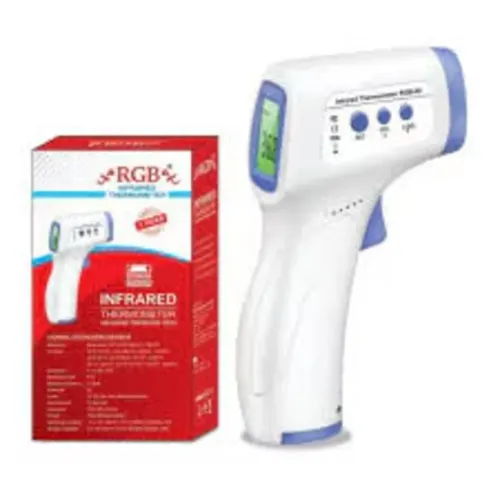
- Digital thermometer
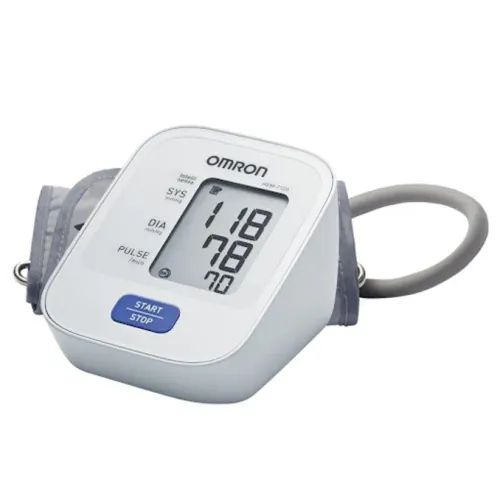
- Blood pressure monitor
- Pulse oximeter
- Blood glucose monitor where applicable
Monitoring vital signs can help identify changes that may require medical attention.
Bathroom Safety Products
Bathrooms often present one of the greatest fall risks during recovery.
Helpful products include:
- Grab bars
- Shower chairs
- Raised toilet seats
- Non-slip mats
These simple additions improve stability and reduce the physical effort required during daily routines.
Compression and Support Products
Depending on the type of surgery, doctors may recommend compression stockings, orthopedic braces, or abdominal binders to support healing and improve circulation.
These products should always be selected according to professional medical guidance.
Wound Care Supplies
Basic wound care products may include:
- Sterile gauze
- Medical tape
- Disposable gloves
- Antiseptic solutions
- Dressing materials prescribed by the treating physician
Following proper wound care instructions helps minimise infection risks and supports healing.
Patient Transfer Aids
Caregivers often benefit from products that assist with moving patients safely between the bed, wheelchair, and chair.
Transfer belts and transfer boards reduce physical strain while supporting patient safety during movement.
Planning Ahead Improves Recovery
Before discharge, families should discuss equipment needs with doctors, physiotherapists, or hospital discharge coordinators. Understanding recovery timelines and mobility expectations allows appropriate equipment to be arranged in advance.
Many healthcare providers in Bengaluru work with established suppliers to source mobility aids, patient-care products, and surgical equipment suitable for home recovery. Rajendra Surgicals supports hospitals, rehabilitation centres, nursing homes, and home healthcare providers by supplying a wide range of medical equipment tailored to different patient requirements.
Recovering at home becomes significantly easier when patients have access to appropriate equipment that supports comfort, safety, and mobility. Careful planning, combined with medical guidance and quality healthcare products, helps create an environment where recovery can progress with greater confidence and convenience.
Keywords