Choosing between a manual wheelchair and an electric wheelchair is one of the most common questions faced by families, caregivers, hospitals, and rehabilitation professionals. Both options serve the same fundamental purpose—supporting mobility—but they are designed for different users and different lifestyles.
Understanding the advantages and limitations of each type helps buyers select equipment that aligns with the patient's medical condition, physical ability, and daily routine. For families in Bengaluru and Karnataka planning long-term mobility support, taking time to compare both options can lead to a better investment and improved patient comfort.
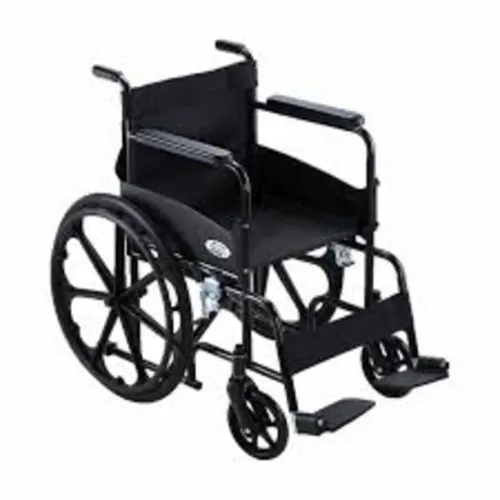
A manual wheelchair is operated either by the user using the rear wheels or by a caregiver pushing from behind. These wheelchairs are widely used because they are lightweight, simple to maintain, and suitable for a variety of healthcare environments.
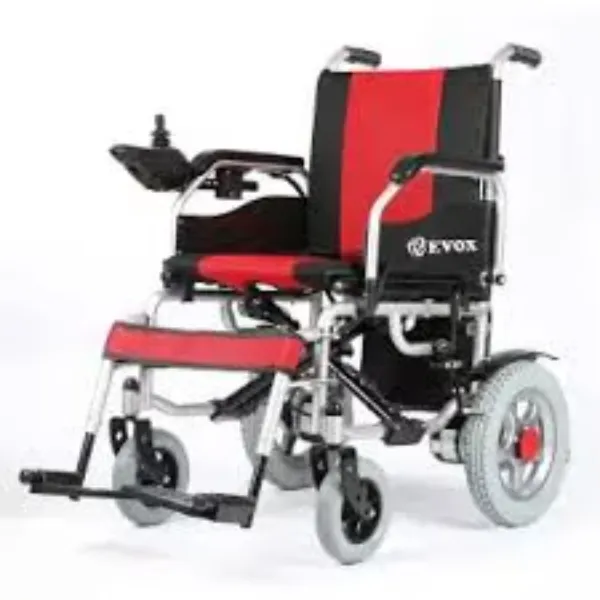
Electric wheelchairs, on the other hand, are battery-powered and controlled using a joystick or similar interface. They are generally recommended for users who have limited upper-body strength or require independent mobility over longer distances.
Instead of looking for a universally 'better' option, it is more useful to compare how each type performs in everyday situations.
Manual Wheelchairs
Manual wheelchairs are generally preferred when:
- The user has sufficient upper-body strength to propel the wheelchair independently.
- A caregiver is available to assist when needed.
- The wheelchair is required for temporary recovery after surgery or injury.
- Frequent transportation is necessary, as most manual wheelchairs are lightweight and foldable.
- Budget is an important consideration.
They are commonly used in hospitals, clinics, rehabilitation centres, and homes because they are easy to operate, transport, and maintain.
Electric Wheelchairs
Electric wheelchairs are often recommended when:
- The user has limited upper-body strength.
- Independent mobility is a priority.
- The wheelchair will be used for extended periods every day.
- Travelling longer distances is part of the daily routine.
- Reduced physical effort is important for the user's medical condition.
Powered mobility enables many users to move independently without relying heavily on caregivers, which can improve confidence and participation in everyday activities.
Key Differences to Consider
When deciding between a manual and electric wheelchair, consider the following factors:
- Mobility Needs: Manual wheelchairs work well for short-distance movement, while electric models are often better suited for frequent or extended use.
- Physical Effort: Manual wheelchairs require arm strength or caregiver assistance. Electric wheelchairs minimise physical effort through powered controls.
- Portability: Manual wheelchairs are generally lighter, fold more easily, and fit conveniently into most vehicles. Electric wheelchairs are heavier and may require ramps or larger vehicles for transportation.
- Maintenance: Manual wheelchairs usually require routine inspection of tyres, brakes, and moving parts. Electric models also require battery charging, motor maintenance, and occasional professional servicing.
- Cost: Manual wheelchairs are typically more affordable, whereas electric wheelchairs involve a higher initial investment due to advanced technology and powered components.
Factors to Consider Before Buying
Before choosing either option, evaluate:
- Medical condition
- Level of independence
- Home accessibility
- Caregiver availability
- Frequency of outdoor travel
- Budget
- Storage space
- Long-term mobility expectations
Discussing these factors with healthcare professionals can help determine the most appropriate solution.
Home Environment Matters
Even the most advanced wheelchair should fit comfortably within the user's home.
Measure:
- Door widths
- Hallways
- Bathroom entrances
- Lift dimensions
- Vehicle storage space
Proper planning prevents unexpected accessibility challenges after purchase.
Maintenance Considerations
Manual wheelchairs typically require periodic inspection of:
- Tyres
- Brakes
- Folding mechanisms
- Footrests
- Frame stability
Electric wheelchairs require additional care, including:
- Regular battery charging
- Motor inspection
- Controller maintenance
- Electrical system checks
- Scheduled servicing as recommended by the manufacturer
Following proper maintenance practices helps improve safety and extends the lifespan of the equipment.
Comfort Features Worth Considering
Regardless of wheelchair type, buyers should look for:
- Comfortable seating
- Adjustable footrests
- Supportive backrests
- Durable armrests
- Reliable braking systems
- Stable frame construction
- Easy-to-clean upholstery
These features contribute significantly to long-term comfort and everyday usability.
Healthcare providers, rehabilitation centres, nursing homes, and families often seek guidance from experienced suppliers before selecting mobility equipment. Rajendra Surgicals supplies manual wheelchairs, mobility aids, rehabilitation products, and other surgical equipment that support a wide range of patient care requirements throughout Bengaluru.
The decision between a manual and electric wheelchair should always be based on the user's mobility, health condition, lifestyle, and future needs. By carefully evaluating these factors and seeking professional advice where necessary, families can choose equipment that supports safer movement, greater comfort, and improved independence in everyday life.
Keywords