A hospital cot is designed to support patient comfort, caregiver convenience, and safe recovery in both healthcare facilities and home care environments. Although many people associate hospital cots with medical institutions, they are increasingly being used in residential settings for patients recovering from surgery, managing chronic illnesses, or requiring long-term assistance.
With home healthcare becoming more common in Bengaluru, selecting the right hospital cot has become an important consideration for families and professional caregivers alike.
How a Hospital Cot Differs from a Standard Bed
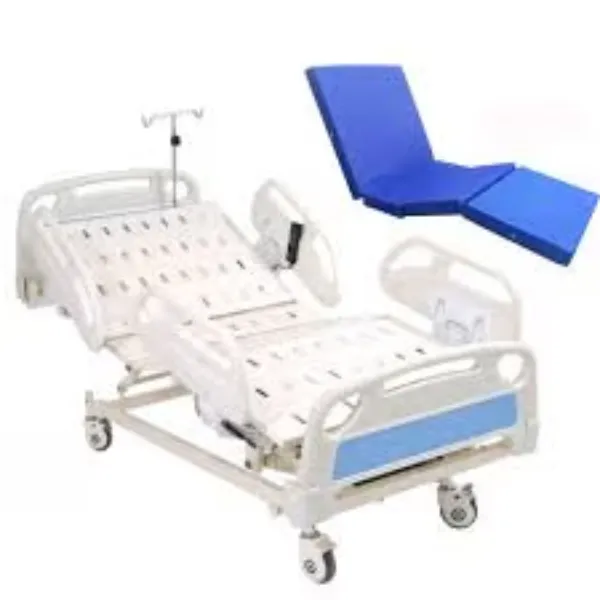
Unlike a conventional bed, a hospital cot offers adjustable features that improve patient positioning and simplify caregiving tasks.
Depending on the model, these may include:
- Adjustable backrest
- Leg elevation
- Height adjustment
- Side safety rails
- Lockable wheels
- Easy patient transfer options
These features are intended to improve safety while reducing physical strain on caregivers.
Situations Where a Hospital Cot Can Be Helpful
A hospital cot is often recommended for:
- Patients recovering after surgery
- Elderly individuals with limited mobility
- Stroke rehabilitation
- Orthopedic recovery
- Long-term medical conditions
- Neurological disorders
- Home nursing care
- Palliative care support
The duration of use may vary from a few weeks to several months depending on the patient's condition.
Manual and Electric Models
One of the first decisions involves choosing between manual and electric hospital cots.
Manual Hospital Cots
These are adjusted using hand-operated mechanisms. They are often suitable where position changes are less frequent.
Electric Hospital Cots
Motorized controls allow quick adjustment with minimal physical effort, making them beneficial for patients requiring frequent repositioning.
The most suitable option depends on clinical needs, caregiver availability, and budget considerations.
Features That Improve Everyday Care
When evaluating different hospital cots, consider features such as:
- Strong steel construction
- Smooth wheel movement
- Reliable wheel locking system
- Comfortable mattress compatibility
- Adjustable side rails
- Easy cleaning surfaces
- Stable frame design
These characteristics contribute to safer and more efficient patient care.
Benefits for Patients and Caregivers
Hospital cots offer practical advantages for everyone involved in daily care.
Improved Comfort
Patients can change positions more easily to reduce discomfort during extended bed rest.
Easier Nursing Procedures
Adjustable height simplifies feeding, wound care, physiotherapy, and routine examinations.
Safer Mobility
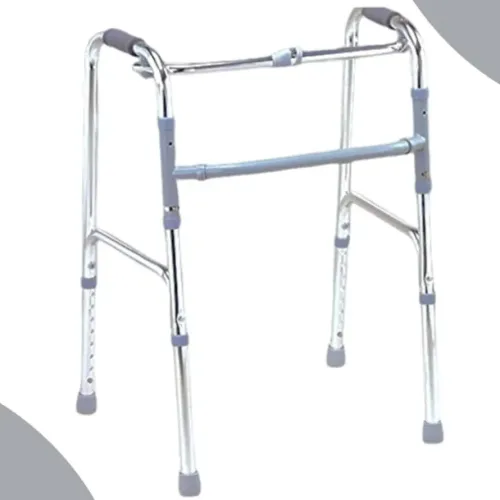
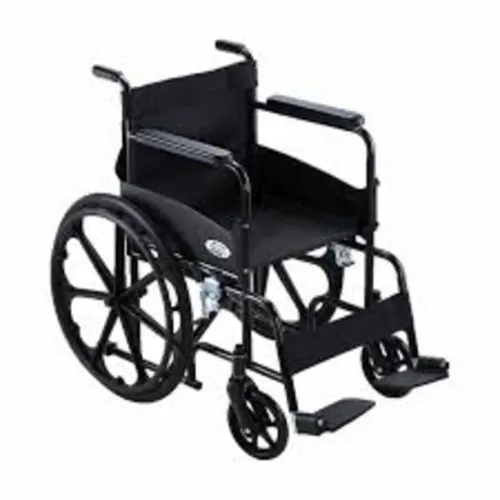
Proper bed height supports safer transfers to wheelchairs and walkers while reducing fall risks.
Better Caregiver Ergonomics
Caregivers experience less physical strain when assisting patients with daily activities.
Caring for the Equipment
Routine maintenance helps ensure reliable performance.
Recommended practices include:
- Inspect moving parts regularly.
- Tighten loose fittings if required.
- Test wheel locks frequently.
- Clean surfaces with approved disinfectants.
- Avoid exceeding recommended weight limits.
Keeping the equipment in good condition supports both safety and longevity.
Choosing Based on Individual Care Needs
Every patient has unique mobility, medical, and recovery requirements. Rather than selecting a hospital cot based solely on available features, it is important to consider how frequently adjustments will be needed, the available caregiving support, and the expected duration of use.
Rajendra Surgicals supplies hospital furniture and patient care equipment for healthcare institutions and home care providers across Karnataka. By understanding the practical differences between available models, families and medical professionals can choose equipment that supports safer, more comfortable, and more efficient patient care.
Keywords