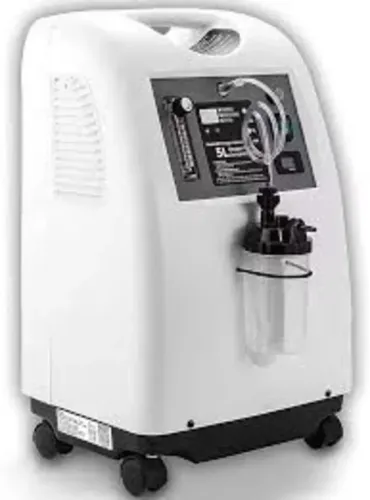
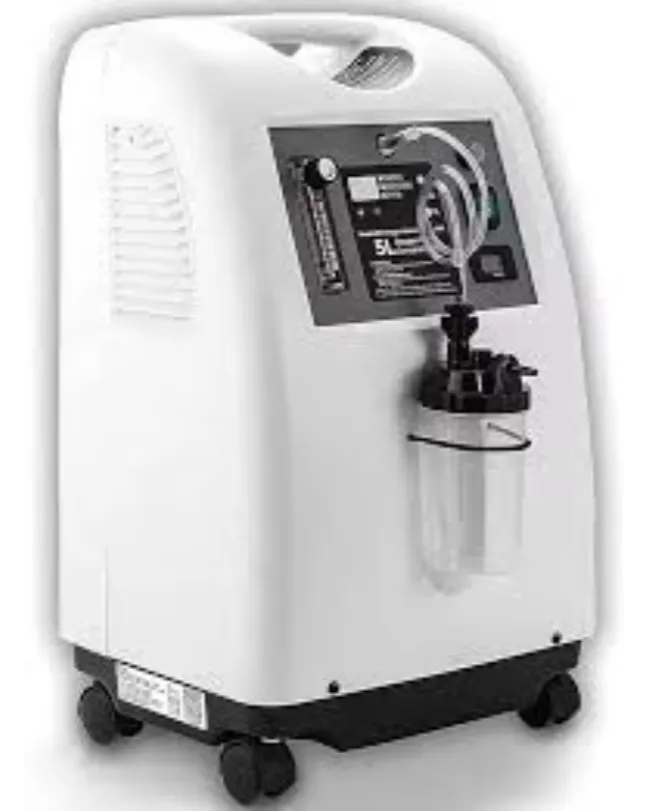
An oxygen concentrator is a medical device designed to provide concentrated oxygen from ambient air for patients who have been prescribed oxygen therapy. Because oxygen requirements are clinical decisions, equipment should be selected according to the prescribed flow and device specifications. Choosing an Oxygen Concentrator Supplier therefore requires more careful evaluation than purchasing an ordinary household appliance.
Hospitals, clinics, home-care providers, and patients in Bangalore and across Karnataka should understand several important factors before finalising equipment.
Confirm the Prescribed Requirement First
The first question is not which concentrator is most popular. It is whether the device specifications match the patient's prescribed oxygen requirements.
Flow capability differs between concentrators, and buyers should verify the relevant device specifications before purchase.
Users should not independently change prescribed oxygen flow simply because a machine provides a wider adjustment range.
Check Continuous-Flow Capabilities
Different oxygen devices may deliver oxygen using different methods. Buyers should clearly identify the required category and verify that the proposed equipment matches the intended use.
For stationary home concentrators, important considerations can include:
- Rated flow range
- Oxygen concentration specifications
- Alarm functions
- Operating noise
- Power consumption
- Device dimensions
- Weight and mobility
- Humidification compatibility where applicable
The importance of each factor depends on the patient's needs and where the machine will be used.
Understand Power Requirements
Oxygen concentrators rely on electricity. Buyers should understand the power specifications and plan appropriately for the environment in which the device will operate.
Where continuity of oxygen supply is medically necessary, contingency planning should follow the healthcare team's guidance. A concentrator should not be assumed to solve every backup requirement simply because it operates continuously while powered.
Ask About Filters and Accessories
Concentrators contain components that require cleaning, inspection, or replacement according to manufacturer instructions.
Before purchasing, ask what ongoing items are required and whether they are readily available.
Depending on the model and prescribed setup, these may include:
- Filters
- Nasal cannula
- Tubing
- Humidifier-related components
- Other model-specific accessories
Knowing these requirements in advance makes long-term equipment management easier.
Evaluate Product Documentation and Support
Buyers should receive appropriate information concerning operation, maintenance, warranty, and equipment care.
Rajendra Surgicals supplies healthcare equipment and patient-care products for hospitals, clinics, medical professionals, and home-care requirements in Bangalore. Buyers seeking oxygen concentrators can provide the required specifications so available equipment can be considered according to the intended use.
Avoid Common Buying Errors
Several mistakes can complicate oxygen concentrator purchasing.
One is choosing equipment only according to price without checking flow specifications. Another is failing to consider operating noise for home use. Buyers may also overlook replacement filters, tubing, power requirements, and maintenance recommendations.
A better evaluation compares the complete ownership requirement rather than only the machine itself.
For institutional procurement, hospitals and healthcare providers should additionally consider frequency of use, staff handling, cleaning procedures, equipment tracking, and maintenance records.
A dependable Oxygen Concentrator Supplier should support informed equipment selection by providing clear product specifications and access to relevant accessories. For buyers across Bangalore and Karnataka, confirming the prescribed requirement, flow capability, power needs, consumables, maintenance expectations, and documentation before purchase can help ensure that the selected equipment is appropriate for its intended healthcare setting.
Keywords