
Selecting the right medical equipment supplier is an important decision for hospitals, clinics, nursing homes, physiotherapy centres, and home healthcare providers. Medical equipment directly affects patient care, operational efficiency, and day-to-day clinical activities, making it essential to work with a supplier that offers dependable products and consistent support.
With the healthcare sector growing rapidly in Bengaluru and across Karnataka, buyers have more choices than ever before. However, not every supplier offers the same level of product quality, inventory availability, or after-sales service. Understanding what to look for before making a purchasing decision can help healthcare facilities build long-term partnerships that support patient care.
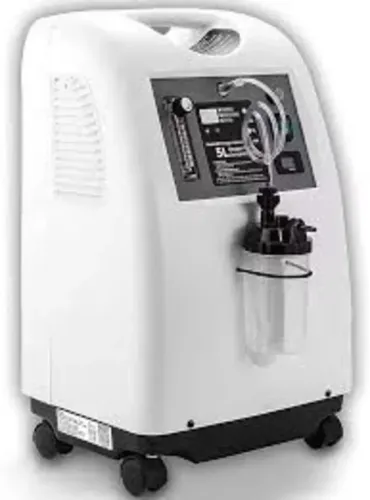
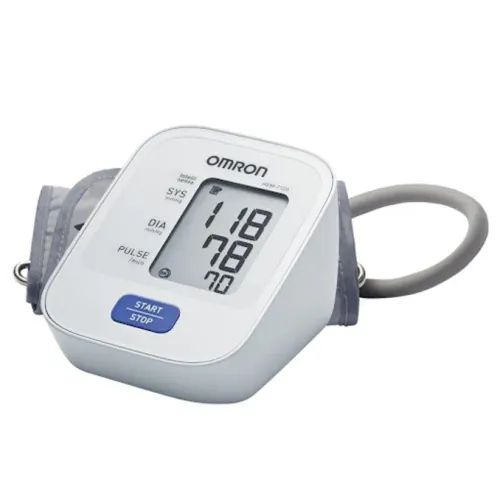
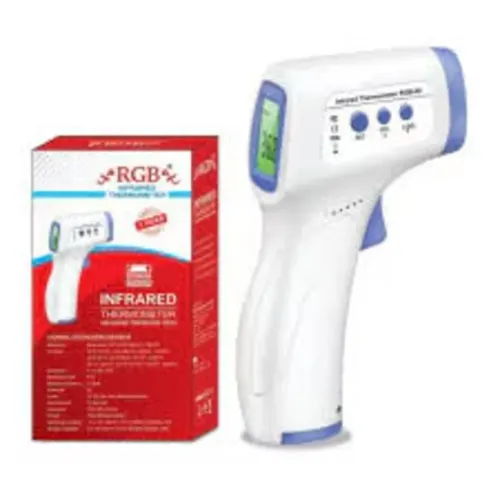
The first factor to evaluate is the supplier's product range. Healthcare facilities often require a combination of mobility aids, surgical consumables, rehabilitation products, patient-care equipment, diagnostic devices, and hospital furniture. Working with a supplier that stocks multiple categories simplifies procurement and reduces the need to coordinate with several vendors.
Product quality should always be a top priority. Medical equipment is used daily by healthcare professionals and patients, so durability and consistent performance matter. Buyers should look for products that meet recognised quality standards and are sourced from reputable manufacturers.
Before finalising a supplier, consider asking questions such as:
- Are the products suitable for professional healthcare environments?
- Do they provide equipment for both institutional and home healthcare use?
- Is technical product information readily available?
- Are replacement parts or accessories available when needed?
- Can the supplier assist with selecting suitable equipment?
A knowledgeable supplier should be able to answer these questions clearly.
Availability is another important consideration. Hospitals and clinics cannot afford delays when essential equipment is required. Maintaining adequate stock levels and having an organised supply chain enables healthcare facilities to receive products when they are needed most.
After-sales support also plays a significant role. While not every product requires servicing, equipment such as wheelchairs, walkers, hospital beds, and rehabilitation devices may occasionally require replacement components or maintenance guidance. Choosing a supplier that provides ongoing support contributes to smoother operations over time.
Pricing should be evaluated alongside overall value rather than considered in isolation. The least expensive option may not always provide the best long-term performance. Factors such as durability, warranty coverage, maintenance requirements, and product lifespan often influence the overall cost of ownership.
Healthcare facilities should also assess the supplier's experience within the medical industry. Companies that regularly work with hospitals, nursing homes, rehabilitation centres, and clinics generally have a better understanding of healthcare procurement requirements and patient care environments.
Reliable suppliers often maintain organised product catalogues that allow buyers to compare specifications before making purchasing decisions. Clear product descriptions, sizing information, and technical details make selection easier for procurement teams.
For institutions purchasing mobility equipment, evaluating the available range is particularly important. Depending on patient needs, facilities may require:
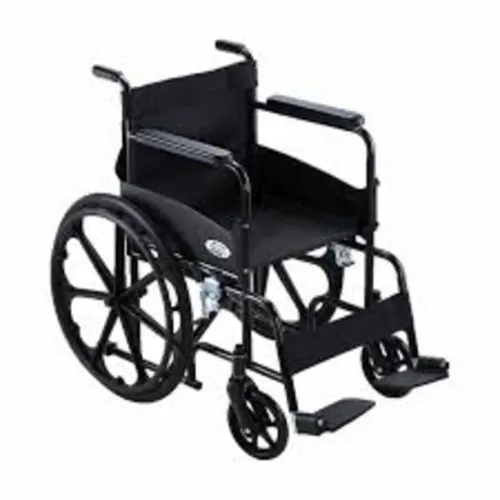
- Manual wheelchairs
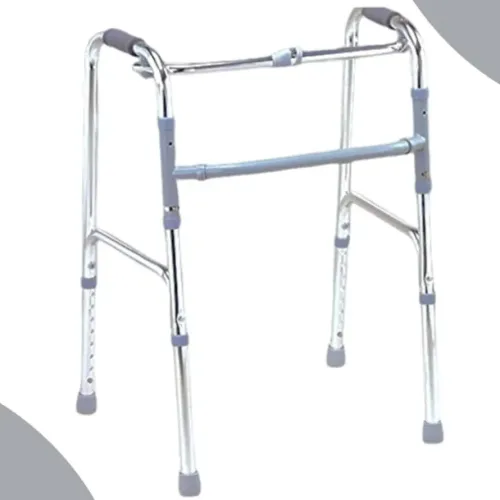
- Walkers
- Rollators
- Crutches
- Commode chairs
- Patient transfer aids
Having multiple options allows healthcare providers to select equipment appropriate for different patient categories.
Communication is another indicator of supplier reliability. Prompt responses to enquiries, transparent pricing, and accurate delivery information help healthcare facilities plan purchases more effectively.
Local availability also offers practical advantages. Suppliers based in Bengaluru can often provide faster deliveries, easier coordination, and quicker access to replacement products when urgent requirements arise.
Many healthcare organisations prefer building long-term relationships with established suppliers rather than changing vendors frequently. Consistent procurement processes help maintain product familiarity, simplify inventory management, and improve purchasing efficiency.
Rajendra Surgicals has been serving healthcare institutions, clinics, nursing homes, rehabilitation centres, and home healthcare providers by supplying a broad range of surgical products and medical equipment suited to different clinical requirements. Its experience in supporting healthcare professionals makes it a recognised resource for medical equipment procurement in Bengaluru.
Choosing a reliable medical equipment supplier involves more than comparing prices. Product quality, inventory availability, industry knowledge, customer support, and long-term reliability all contribute to better purchasing decisions. By carefully evaluating these factors, healthcare providers can establish dependable partnerships that support quality patient care for years to come.
Keywords