

Blood pressure measurement is one of the most common assessments performed across hospitals, clinics, diagnostic centres, nursing homes, and home-care settings. While the procedure may appear straightforward, dependable readings rely heavily on choosing suitable equipment. For healthcare facilities in Bangalore and across Karnataka, working with a knowledgeable BP Monitor Supplier can help ensure that monitoring equipment matches the intended clinical environment and frequency of use.
Blood pressure monitors are used for screening, routine consultations, chronic disease management, pre-procedure assessments, and ongoing patient observation. Different environments may require different types of monitors, which is why purchasing decisions should go beyond choosing a device based only on price.
Understanding the Main Types of BP Monitors
Healthcare buyers generally encounter several categories of blood pressure monitoring equipment.
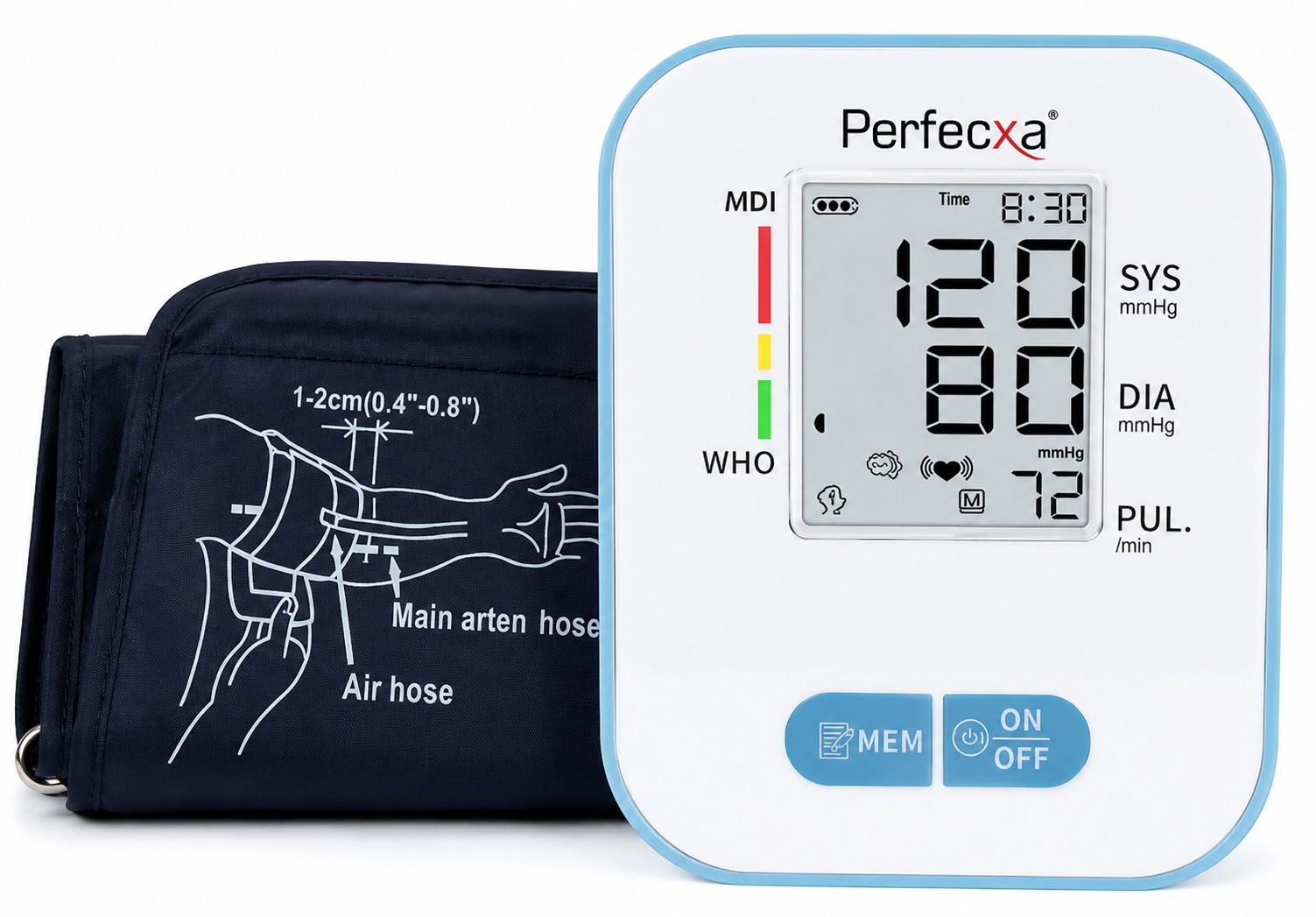
Digital BP monitors are widely used because they provide quick readings and are relatively simple to operate. They can be suitable for clinics, home healthcare, and routine monitoring.
Manual sphygmomanometers are commonly used by trained healthcare professionals who prefer auscultatory blood pressure measurement.
Multiparameter monitoring systems may incorporate blood pressure measurement alongside other patient parameters and are generally suited to clinical environments requiring broader monitoring capabilities.
When evaluating equipment, healthcare teams should consider who will operate the device, how frequently it will be used, and whether portability is important.
What Healthcare Facilities Should Evaluate
A BP monitor used occasionally at home has different requirements from a unit used repeatedly throughout a busy hospital department. Important considerations include:
- Measurement range and intended patient category
- Cuff sizes available
- Ease of cleaning and routine maintenance
- Display readability
- Battery and power options
- Portability requirements
- Device documentation
- Availability of compatible accessories
- After-sales product support
Correct cuff sizing deserves particular attention. An unsuitable cuff can affect measurement quality, making access to appropriate cuff options important for facilities serving different patient groups.
Why Procurement Planning Matters
Hospitals and clinics often purchase medical equipment as part of broader procurement cycles. Standardising selected devices can simplify staff familiarisation, inventory management, accessory procurement, and maintenance.
For healthcare institutions in Bangalore, procurement planning may also involve checking local availability before replacing existing monitors. A locally accessible supplier can make it easier to discuss specifications, obtain compatible accessories, and understand product options without relying solely on generic online listings.
Rajendra Surgicals supplies medical equipment and surgical products for healthcare requirements in Bengaluru. When selecting a BP monitor, buyers can discuss the intended setting and expected usage so that product specifications can be evaluated in context.
Maintaining Dependable BP Monitoring Equipment
Even a well-selected monitor requires appropriate handling. Healthcare facilities should establish routine procedures for inspecting cuffs, tubing, connectors, batteries, and other relevant components.
Devices should be stored according to manufacturer recommendations and checked when readings appear inconsistent. Staff should also follow the operating instructions supplied with the equipment rather than assuming every monitor functions identically.
For facilities managing multiple units, maintaining a basic equipment register can be useful. Recording the device location, purchase details, servicing information, and accessory requirements makes routine management more organised.
Choosing a BP Monitor Supplier is therefore not simply a purchasing decision. It is part of creating a dependable monitoring process that considers equipment suitability, accessories, operational requirements, and ongoing availability. For hospitals, doctors, clinics, diagnostic centres, and home-care providers across Bangalore and Karnataka, these practical considerations can make everyday patient monitoring more consistent and manageable.