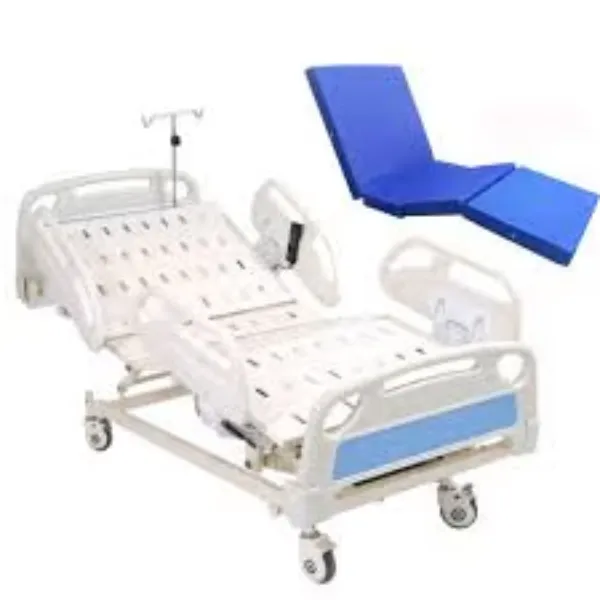
Patient cots and hospital beds are fundamental pieces of healthcare infrastructure. They are used across hospitals, clinics, nursing homes, rehabilitation facilities, elder-care centres, and home-care environments. Yet the right cot depends on how the patient will be cared for, the available space, mobility requirements, adjustment needs, and expected frequency of use. Selecting a capable Patient Cot Supplier requires evaluating these practical factors before comparing prices.
For healthcare buyers in Bangalore and across Karnataka, understanding the intended use is the most effective starting point.
Determine Where the Cot Will Be Used
A hospital ward, examination facility, nursing home, and private residence have different operating environments.
Institutional buyers may prioritise durability, ease of cleaning, repeated patient use, and compatibility with existing care processes.
For home care, available room space, caregiver access, ease of movement, and the patient's individual requirements may become more significant.
Taking room measurements before ordering can prevent avoidable problems with placement and movement.
Understand the Available Configurations
Patient cots and hospital beds can vary in functionality.
Depending on the product category, buyers may encounter:
- Basic fixed patient cots
- Beds with adjustable backrest sections
- Multi-function hospital beds
- Manual adjustment mechanisms
- Electrically operated configurations
- Models with castors
- Side-rail options
- Different mattress platform dimensions
The most feature-rich model is not automatically the most appropriate choice. The correct configuration depends on the patient's care requirements and the healthcare environment.
Consider Caregiver Access
Patient equipment should also be evaluated from the caregiver's perspective.
Healthcare staff or family caregivers may need to assist with positioning, hygiene, transfers, meals, and other activities. Adequate access around the cot can therefore be as important as the cot dimensions themselves.
In compact Bengaluru residences, measuring the room, entrance, passageways, and available bedside clearance is particularly useful before choosing larger equipment.
Check Construction and Mobility Features
For institutional use, consider the construction quality and how the equipment will be handled throughout its working life.
Where castors are included, understand their intended use and locking mechanism. If side rails are required, verify the configuration available with the selected model.
Buyers should also ask about compatible mattresses and relevant accessories instead of assuming that every mattress fits every patient cot.
Think Beyond Initial Purchase Price
A low-cost cot that does not suit the care environment can become inconvenient quickly.
Evaluate the purchase based on:
- Required functions
- Dimensions
- Construction
- Ease of cleaning
- Mobility
- Adjustment mechanism
- Compatible accessories
- Intended frequency of use
- Product information
- Supplier availability
Rajendra Surgicals supplies surgical products, medical equipment, and patient-care items for healthcare institutions and individual requirements in Bangalore. Hospitals, nursing homes, clinics, and families can provide the intended application and required cot features when discussing available equipment.
Know When the Requirement Is Ready for Procurement
Institutional buyers can make the purchasing process faster by preparing a specification sheet before requesting quotations.
Include the number of cots required, preferred dimensions, adjustment requirements, mobility features, side-rail requirements, mattress needs, delivery location, and any other facility-specific specifications.
Home-care buyers can similarly note the patient's requirements, available room dimensions, and features recommended by the healthcare team.
Choosing a Patient Cot Supplier is ultimately about matching healthcare furniture to the realities of patient care. For hospitals and families across Bangalore and Karnataka, a well-planned purchase considers space, functionality, caregiver access, construction, mobility, and compatible accessories together. This approach helps buyers select patient-care equipment based on practical requirements rather than making the decision solely on price.
Keywords