Setting up a new clinic or nursing home involves much more than designing consultation rooms and treatment areas. Reliable medical equipment forms the foundation of quality patient care, operational efficiency, and day-to-day clinical functioning. Whether establishing a specialty clinic, physiotherapy centre, or nursing home, selecting the right equipment from the beginning helps support smooth operations and future growth.
Healthcare infrastructure continues to expand across Bengaluru and Karnataka, creating opportunities for new medical practices. Planning equipment purchases carefully helps healthcare providers avoid unnecessary expenses while ensuring patient readiness from day one.
The first step is identifying the scope of services the facility intends to offer. A general physician's clinic will have different equipment needs compared to an orthopedic centre, rehabilitation facility, or multi-specialty nursing home.
Every healthcare facility should begin with essential examination equipment, including:
- Examination couch
- Patient stools
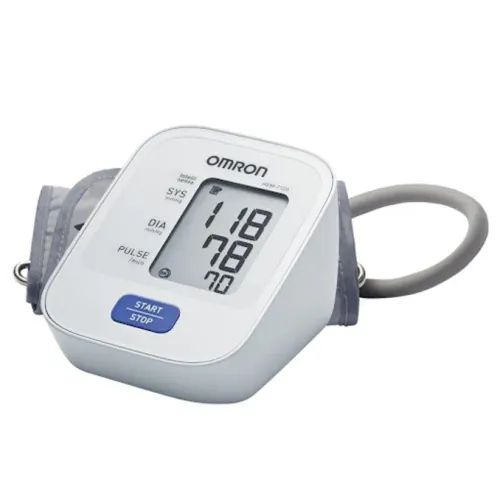
- Blood pressure monitors
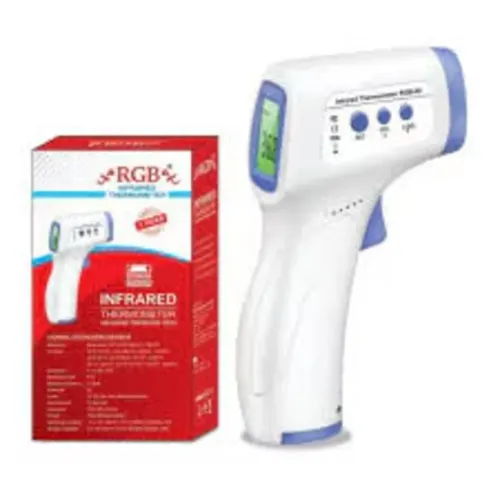
- Digital thermometers
- Pulse oximeters
- Stethoscopes
- Weighing scales
- Height measurement equipment
These basic tools support routine patient assessment and daily consultations.
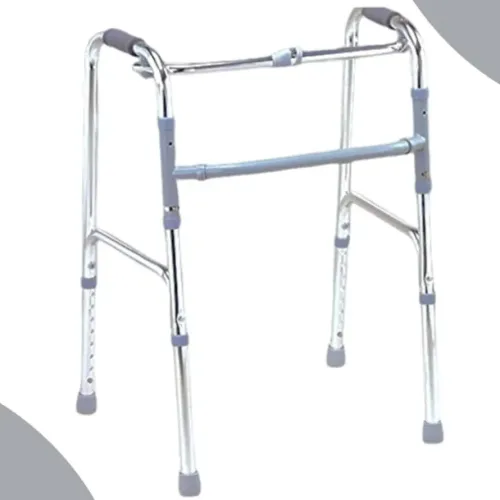
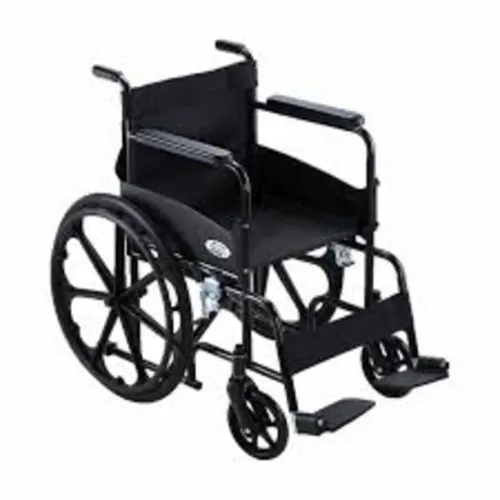
Patient mobility equipment is another important category. Depending on the services offered, facilities may require:
- Wheelchairs
- Walkers
- Crutches
- Stretchers
- Patient transfer chairs
These products improve patient movement while enhancing safety for healthcare staff.
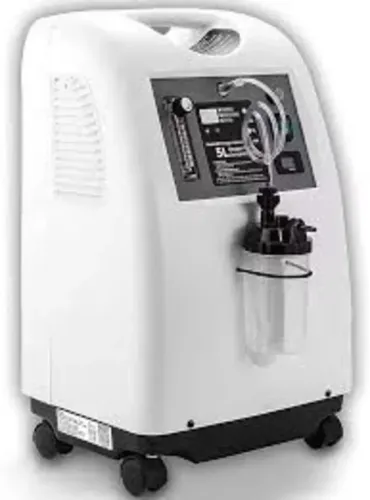
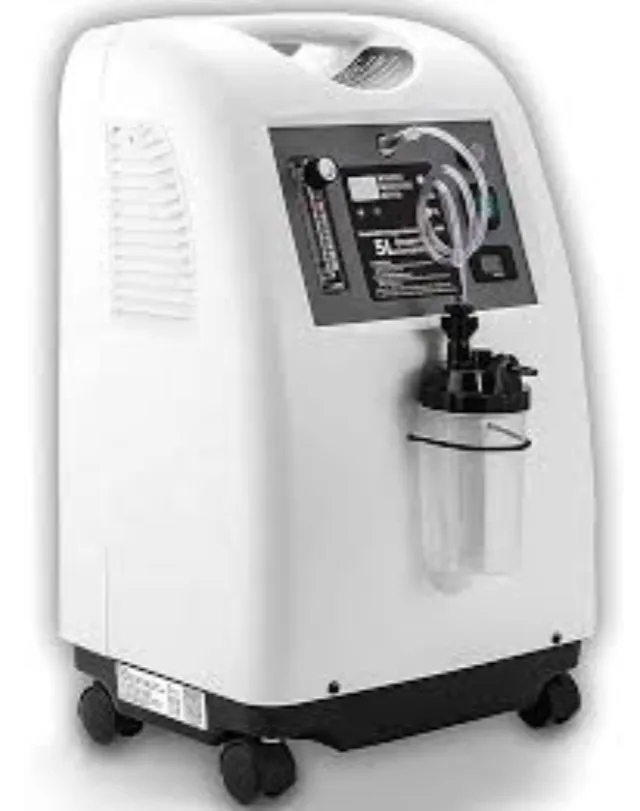
Emergency preparedness should always be prioritised. Even smaller clinics should maintain basic emergency equipment appropriate to their services. Common examples include oxygen cylinders, suction units, emergency trolleys, first-aid supplies, and resuscitation equipment as required by applicable medical standards.
Patient furniture is equally important for ensuring comfort during treatment and recovery. Facilities commonly require:
- Hospital beds
- Bedside lockers
- Overbed tables
- IV stands
- Bedside commodes
- Examination lights
Selecting durable products reduces long-term maintenance costs.
Infection prevention remains a central part of healthcare operations. Essential hygiene-related equipment includes:
- Hand sanitiser dispensers
- Medical waste bins
- Sterilisation trays
- Disposable protective equipment
- Cleaning supplies
- Biomedical waste containers
Proper infection control practices contribute to patient safety and regulatory compliance.
Storage planning is often underestimated. Medicines, surgical consumables, rehabilitation products, and emergency supplies should be organised using appropriate cabinets and shelving systems to improve workflow efficiency.
Rehabilitation centres and physiotherapy clinics may additionally require:
- Exercise therapy equipment
- Rehabilitation walkers
- Parallel bars
- Therapy stools
- Balance training aids
- Mobility support devices
Selecting equipment according to the services offered helps avoid unnecessary investment while ensuring patient needs are met.
Digital record management and patient administration systems have also become increasingly important. While medical equipment remains the priority, integrating appointment management, inventory tracking, and billing software contributes to smoother daily operations.
Purchasing decisions should consider several factors:
- Product quality
- Ease of maintenance
- Warranty support
- Availability of spare parts
- Compliance with relevant standards
- Supplier reliability
Choosing equipment based solely on price may lead to higher maintenance expenses over time.
Many healthcare administrators also prefer working with suppliers capable of providing multiple categories of products through a single source. This approach simplifies procurement, inventory management, and future expansion.
Healthcare providers establishing clinics or nursing homes in Bengaluru often work with experienced suppliers such as Rajendra Surgicals for surgical products, mobility aids, patient-care equipment, and other healthcare essentials required across different clinical settings.
Building a successful healthcare facility starts with careful planning and dependable equipment. A well-prepared clinic or nursing home supports better patient care, improves staff efficiency, and creates an environment where healthcare professionals can focus on delivering quality medical services.
Keywords