

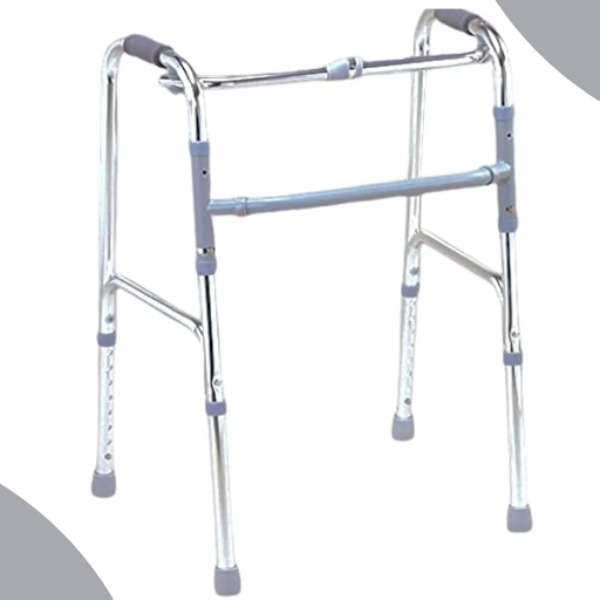
A Walker is one of the most widely recommended mobility aids for individuals who require additional support while walking. Whether recovering from surgery, managing age-related balance issues, or undergoing rehabilitation, a properly selected walker can improve confidence and reduce the likelihood of falls.
Healthcare professionals across Bengaluru frequently recommend walkers for patients transitioning from assisted mobility toward greater independence.
When Is a Walker Recommended
A walker may be suitable for individuals experiencing:
- Reduced balance
- Lower limb weakness
- Recovery after orthopedic surgery
- Arthritis-related mobility limitations
- Stroke rehabilitation
- Age-related walking difficulties
- Temporary injuries affecting movement
The decision should always be based on professional assessment and individual mobility needs.
Common Types of Walkers
Different walker designs serve different purposes.
Standard Walker
Provides maximum stability and is suitable for users requiring full support.
Folding Walker
Easy to transport and store, making it convenient for travel.
Front-Wheeled Walker
Allows smoother movement without lifting the entire frame.
Rollator Walker
Features wheels, brakes, and often a seat for users who require support over longer distances.
Understanding these differences helps users select the most appropriate mobility aid.
Features That Improve Daily Use
Important features include:
- Adjustable height
- Lightweight frame
- Comfortable hand grips
- Anti-slip rubber tips
- Durable construction
- Easy folding mechanism
- Stable wheel design where applicable
These features contribute to both comfort and safety.
Proper Height Adjustment Matters
Incorrect walker height can lead to poor posture and discomfort.
Generally:
- Arms should remain slightly bent while holding the handles.
- Shoulders should stay relaxed.
- Walking posture should remain upright.
Healthcare professionals usually assist with proper adjustment during rehabilitation.
Safe Walking Practices
Using a walker correctly reduces fall risks.
Helpful recommendations include:
- Move the walker before stepping forward.
- Avoid leaning excessively on the frame.
- Keep pathways free from obstacles.
- Wear supportive footwear.
- Inspect rubber tips regularly.
- Replace worn components promptly.
Practicing these habits encourages safer mobility.
Caring for the Equipment
Routine maintenance includes:
- Checking frame stability
- Tightening loose screws
- Cleaning hand grips
- Inspecting wheel movement
- Replacing damaged rubber tips
Well-maintained equipment performs more reliably over time.
Supporting Independent Living
Walkers are designed to encourage safe movement while helping users remain active in their daily routines. Whether used temporarily during recovery or as a long-term mobility aid, selecting the right model contributes significantly to comfort and confidence.
Rajendra Surgicals offers mobility equipment for hospitals, rehabilitation centres, physiotherapy clinics, and home healthcare providers throughout Karnataka, helping users choose walkers suited to their individual mobility requirements.