A bedside commode chair is one of the most practical mobility aids for individuals who have difficulty reaching the bathroom independently. Whether someone is recovering from surgery, managing a long-term medical condition, or receiving elderly care at home, the right commode chair can improve comfort, reduce fall risks, and make daily caregiving more manageable.
As home healthcare becomes increasingly common in Bengaluru and throughout Karnataka, families are exploring solutions that help patients remain comfortable while maintaining dignity and independence. Understanding the purpose and features of bedside commode chairs can help caregivers make informed decisions.
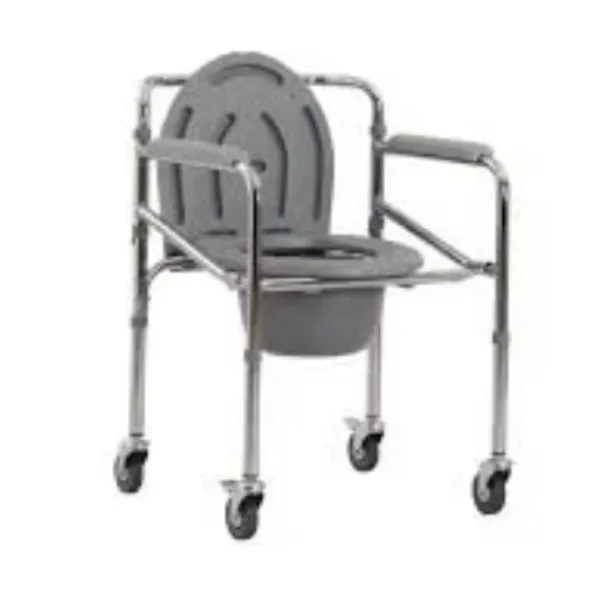
A bedside commode chair is designed to function as a portable toilet positioned close to the patient. Most models include a sturdy frame, armrests, a toilet seat, and a removable waste container. Some designs can also be placed over a standard toilet, providing additional flexibility.
Patients who commonly benefit from bedside commode chairs include:
- Elderly individuals with limited mobility
- Patients recovering from orthopedic surgery
- People with neurological conditions
- Individuals recovering from stroke
- Patients with severe arthritis
- People receiving palliative or long-term home care
The primary advantage is convenience. Instead of walking long distances to the bathroom, patients can use the chair safely within their room, especially during nighttime when falls are more likely.
Several types of bedside commode chairs are available.
Standard Commode Chairs
These provide a simple, stable toileting solution suitable for many home healthcare situations.
Folding Commode Chairs
Designed for portability and storage, these models are useful when space is limited or equipment needs to be transported.
Wheeled Commode Chairs
Equipped with lockable castor wheels, these chairs allow caregivers to move patients safely between locations when appropriate.
Drop-Arm Commode Chairs
These models feature armrests that can be lowered, making lateral transfers from beds or wheelchairs easier.
Choosing the correct model depends on several practical considerations.
Weight Capacity
Always ensure the chair supports the user's body weight safely.
Height Adjustment
Adjustable legs allow the chair to match the patient's comfort and improve ease of sitting and standing.
Stability
Non-slip rubber feet or lockable wheels help keep the chair securely positioned during use.
Comfort
Features such as padded seats, supportive backrests, and comfortable armrests contribute to a better user experience.
Proper placement is equally important. The chair should be positioned on a flat surface with adequate lighting and enough surrounding space for caregivers to assist if necessary.
Cleaning should be part of every caregiving routine. Caregivers should:
- Empty the collection bucket after use
- Wash all removable components thoroughly
- Use approved disinfectants
- Dry surfaces completely
- Inspect the chair regularly for wear or damage
Routine maintenance helps preserve hygiene while extending the lifespan of the equipment.
Healthcare professionals may recommend bedside commode chairs for temporary recovery or long-term care depending on the patient's condition. Receiving guidance from doctors, physiotherapists, or occupational therapists helps ensure the selected model meets individual mobility needs.
Healthcare providers, nursing homes, rehabilitation centres, and home caregivers often obtain patient-care equipment through experienced medical suppliers. Rajendra Surgicals offers a variety of commode chairs, mobility aids, and healthcare products suitable for different care settings across Bengaluru.
Selecting the right bedside commode chair involves balancing comfort, safety, durability, and ease of use. With thoughtful planning and appropriate equipment, families can create a home environment that supports patient wellbeing while making caregiving more efficient and less physically demanding.
Keywords